How to Break a Bad Habit: The Science of Replacement (Not Willpower)

Most advice on breaking a bad habit boils down to "just stop." That almost never works — not because you're weak, but because habits aren't decisions. They're automatic loops your brain runs to save energy. You don't out-willpower a loop. You replace it.
Why willpower is the wrong tool
Willpower is a finite, easily-drained resource. Stress, tiredness, hunger, and boredom all shrink it — which is exactly when cravings spike. Relying on willpower means you're strongest when you don't need it and weakest when you do.
The habit itself lives deeper, in a three-part loop:
- Cue — the trigger (a time, place, emotion, or person).
- Routine — the behavior itself (the thing you want to stop).
- Reward — what your brain gets out of it (relief, stimulation, comfort).
You can't easily delete a loop. But you can keep the cue and the reward and swap the routine in the middle. That's the science of habit replacement.
The replacement method, step by step
1. Identify the real cue
For a few days, when the urge hits, note four things: time, place, emotion, and what just happened. Patterns emerge fast — most bad habits fire on a specific emotion (stress, boredom) far more than a specific time.
2. Name the actual reward
Be honest about what the habit gives you. Scrolling isn't about information — it's usually about escaping discomfort. A snack at 3pm might be about a break, not hunger. You need a replacement that delivers the same reward.
3. Choose a replacement routine
Pick a new behavior that's triggered by the same cue and provides a similar reward — but moves you forward instead of back. Stressed? A 3-minute breathing drill or a short walk. Bored? A quick learning task or a pushup set. The key is it must be easy enough to do when willpower is low.
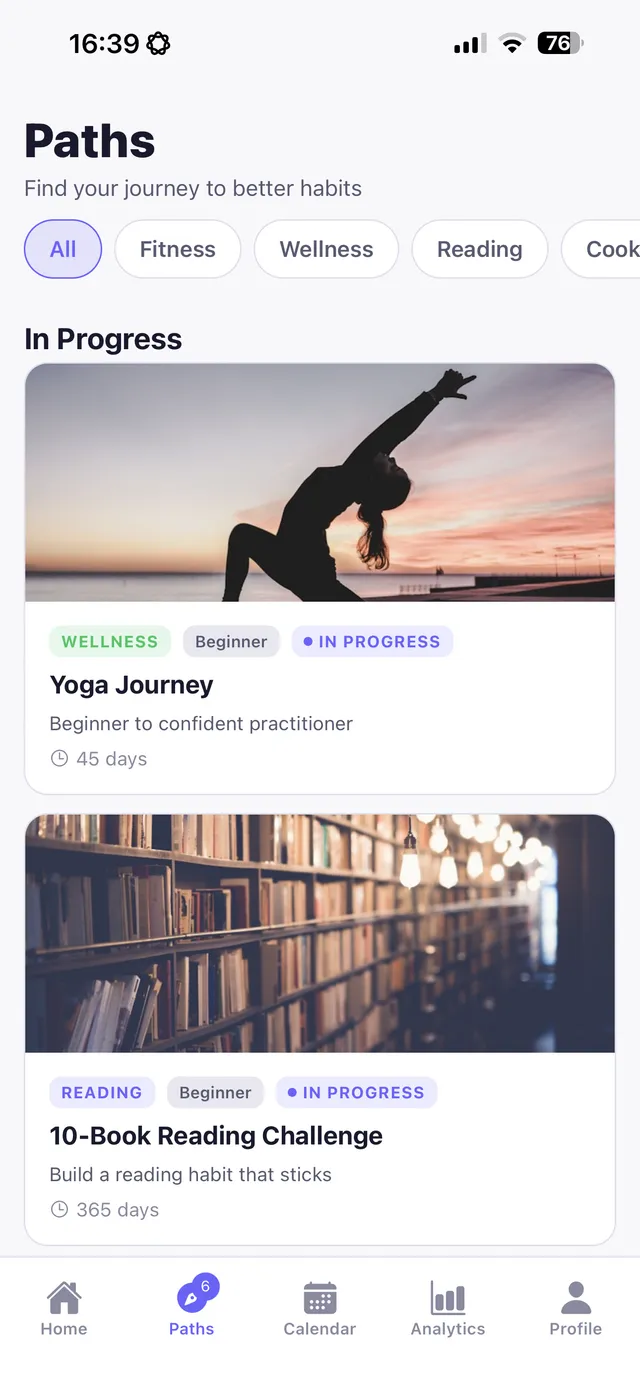
Replacify helps you swap a bad habit for a better one — with structured paths, an SOS button for cravings, a focus timer, and streaks that keep you going.


4. Make the replacement the path of least resistance
Reduce friction for the new routine and add friction to the old one. Lay out the running shoes; log out of the app; move the snack out of reach. Your environment beats your intentions almost every time.
5. Track it so the loop rewires
A new loop needs repetitions to become automatic — research suggests anywhere from a few weeks to a few months depending on the behavior. The single biggest predictor of success is not missing twice in a row. Tracking each rep (and seeing a streak build) turns an abstract goal into visible momentum.
What this looks like in practice
Say your habit is doom-scrolling every evening (cue: tired + alone on the couch; reward: distraction from a stressful day). Replacing "just stop scrolling" with a specific, same-reward routine — a 10-minute wind-down playlist + journaling, or a short workout — gives your brain the relief it was chasing, through a door that leads somewhere good. (We go deep on this exact habit in how to quit doomscrolling.)
This is the whole idea behind Replacify: instead of white-knuckling abstinence, you follow a structured replacement path, lean on an SOS button when a craving spikes, and watch streaks build as the new loop takes hold.
The takeaway
Breaking a bad habit isn't about deleting a behavior through sheer force. It's about rewiring the loop — same cue, same reward, better routine — and giving it enough tracked reps to stick. Stop fighting your biology and start redirecting it.
Frequently asked questions
Why is it so hard to break a bad habit?
Because habits are automatic loops the brain runs to save energy, not conscious choices. Willpower is finite and drops exactly when cravings rise, so 'just stopping' rarely works. Replacing the routine while keeping the cue and reward is more effective.
How long does it take to break a habit?
It varies by behavior and person — research ranges from a few weeks to a few months. Consistency matters more than speed; the strongest predictor of success is not missing the new routine twice in a row.
What is habit replacement?
Habit replacement keeps the existing cue and reward but swaps the middle routine for a healthier behavior that delivers a similar payoff, so your brain accepts the new loop instead of resisting deprivation.
Can an app help me break a bad habit?
Yes. Apps like Replacify provide structured replacement paths, a craving SOS flow, and streak tracking — which reduce friction and give the repetitions a new habit needs to become automatic.
Replace the habit. Not yourself.
Replacify helps you swap a bad habit for a better one — with structured paths, an SOS button for cravings, a focus timer, and streaks that keep you going.